

A pre-assembled solar cabinet arrives with the full protection package fitted, cables terminated, circuits labelled and the whole assembly tested. On site the crew mounts it, lands the incoming and outgoing cables, and retests.
Why it matters
- Less time on site. Work that used to happen on a hot roof now happens on a bench with proper light and tools.
- Fewer mistakes. Reversed polarity and wrongly rated breakers cause a large share of incidents. Building and testing in advance removes that exposure.
- Consistent quality. Every cabinet leaves to the same standard, regardless of site conditions or schedule pressure.
- Easier to service. Labels and an internal diagram let the next technician understand the system immediately.
What belongs inside
At minimum: a DC breaker rated for the system's string voltage, an AC breaker, surge protection on both sides, and a clearly identified earthing point.
ON Power All assembles cabinets in-house, both the standard models listed in our shop and units built to your specification.
More articles
20 August 2026
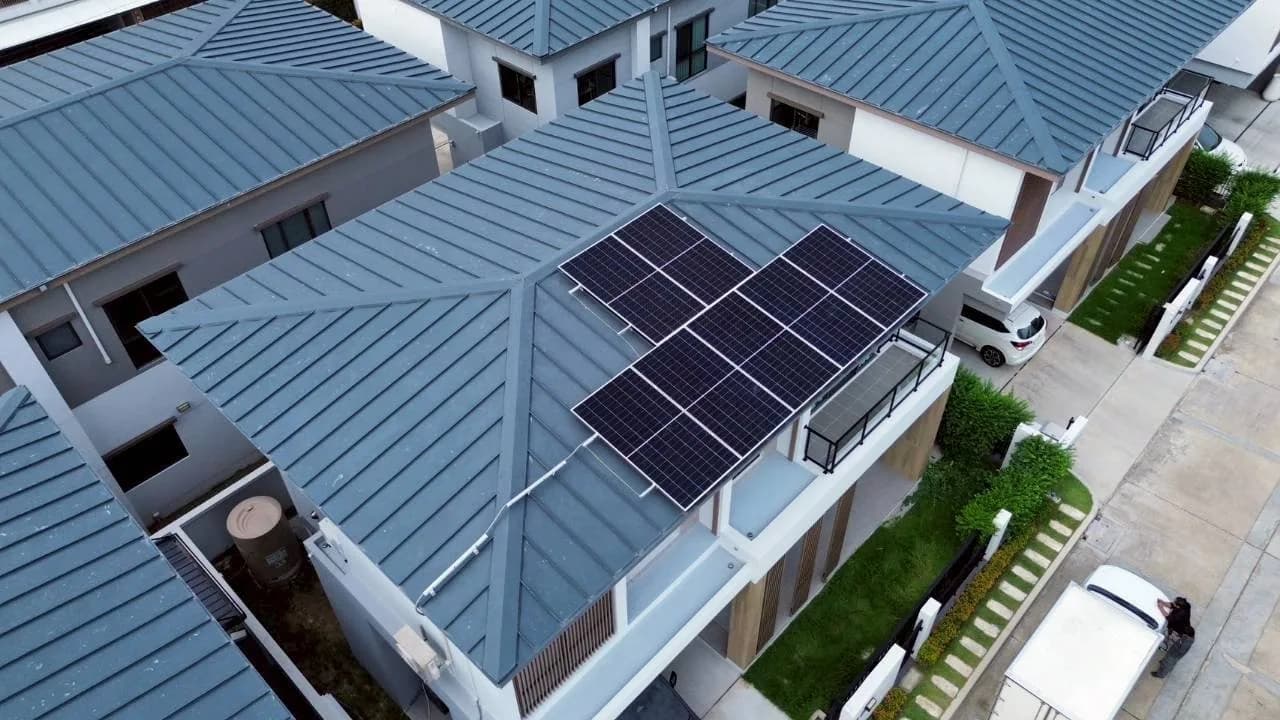
How high does your bill need to be before solar pays off?
The answer is not just the bill amount. What matters most is how much you consume during daylight.
Learn more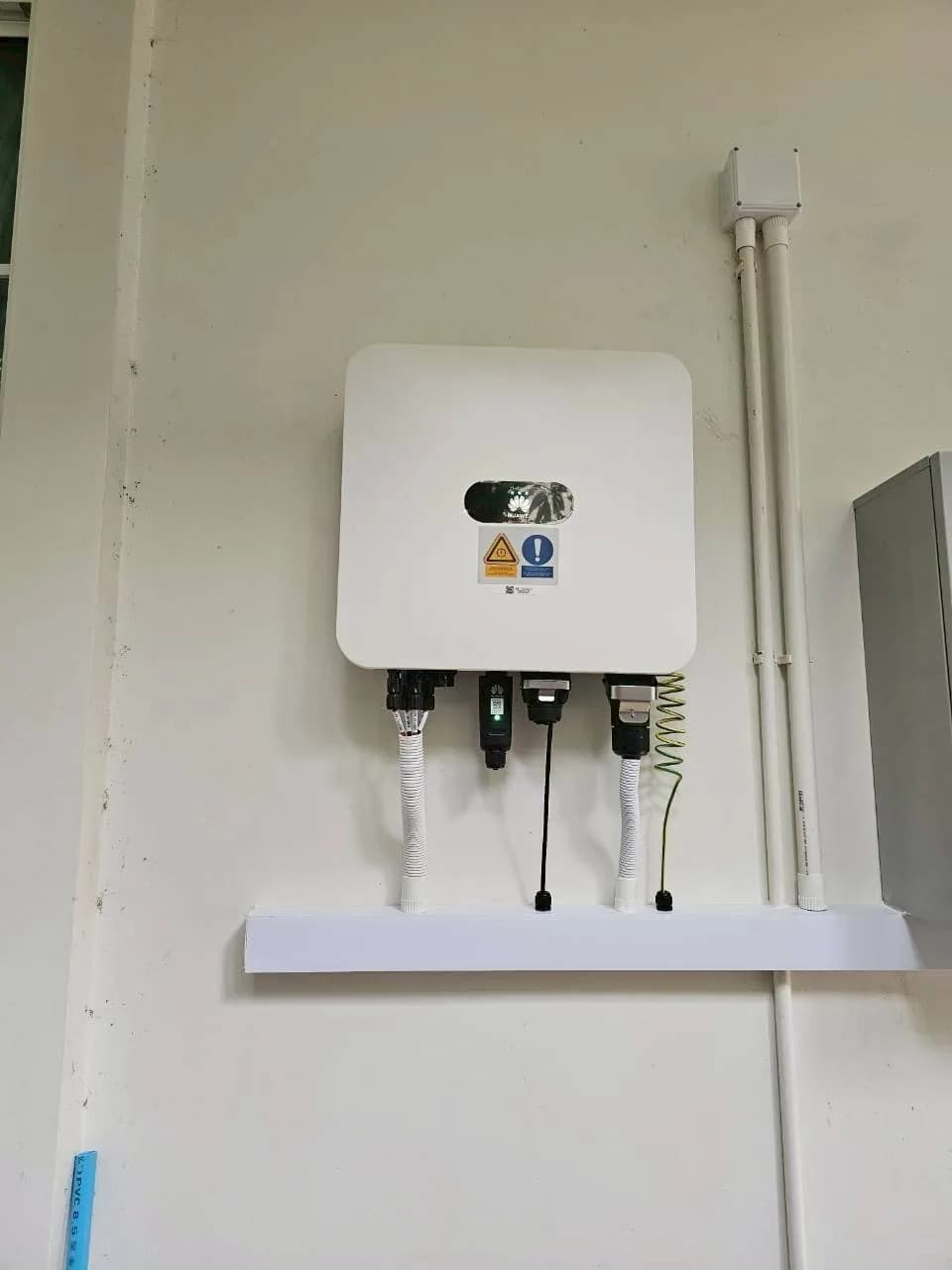
13 August 2026
On-grid, hybrid or off-grid: which system should you choose?
The three system types differ in how they handle surplus power and outages, and that drives the price.
Learn more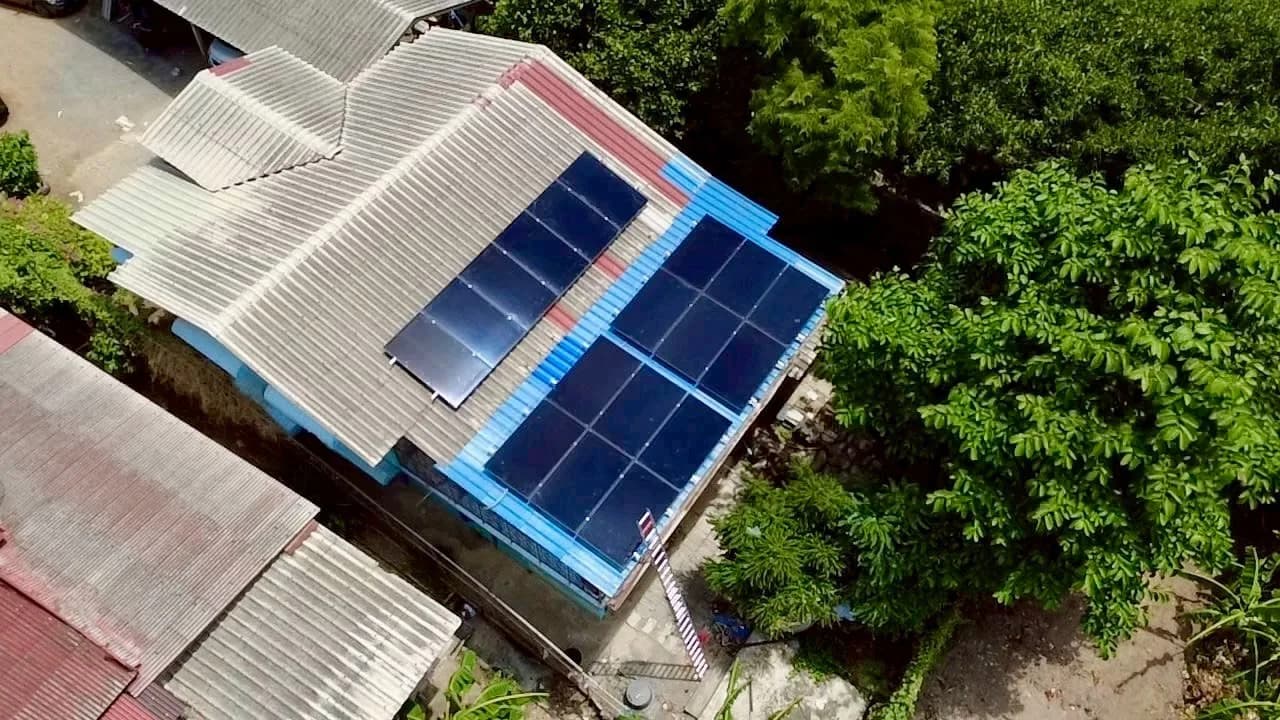
6 August 2026
Rooftop solar permitting in Thailand: who you need to file with
Paperwork is what usually delays a project. Knowing the sequence helps you plan the timeline.
Learn more