
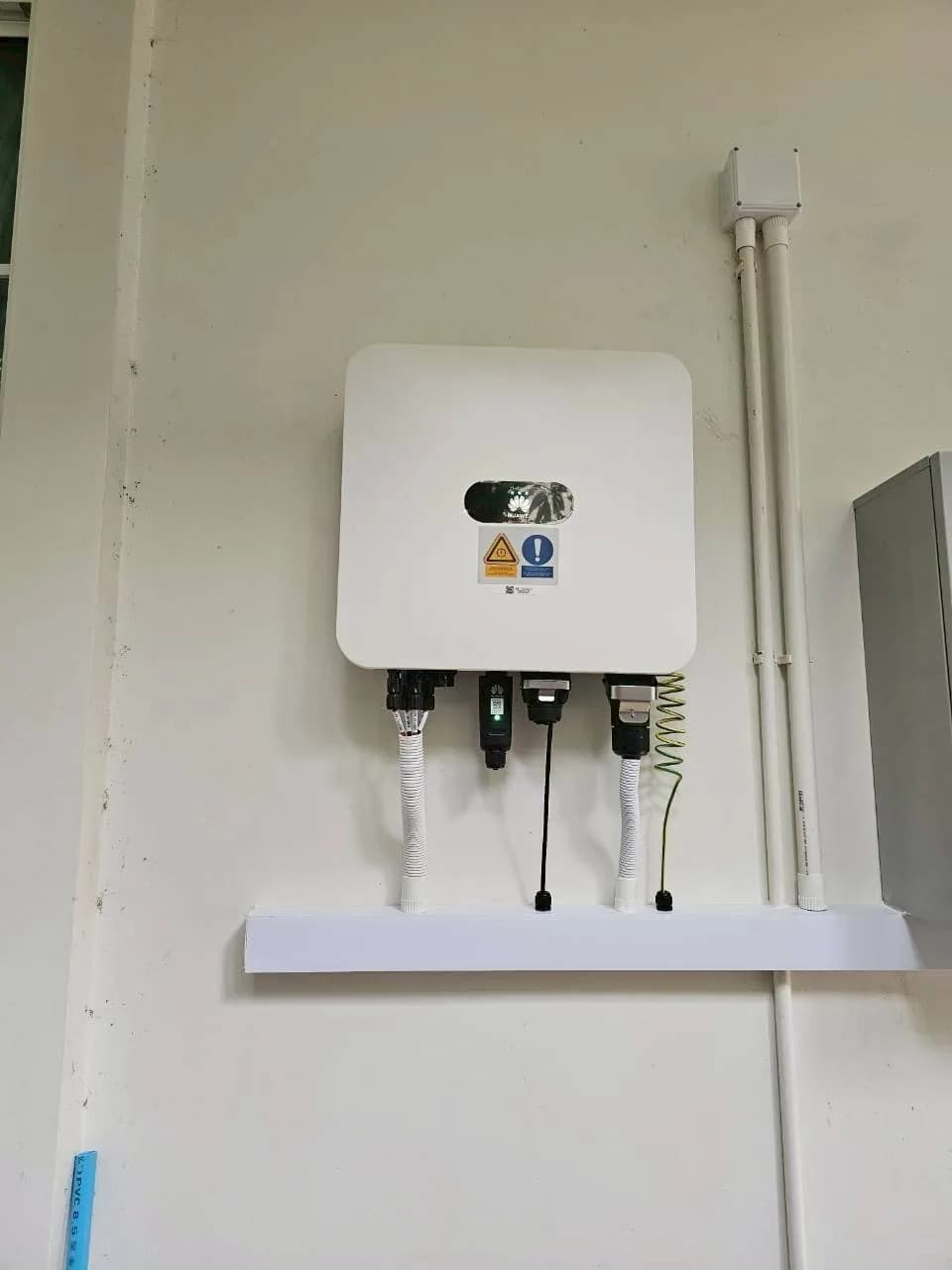
On-grid
Connected to the utility. You use your own generation during the day and draw from the grid for the rest. Lowest capital cost and fastest payback. During an outage the inverter shuts down for the safety of line workers.
Hybrid
Works like on-grid but uses a battery-capable inverter, so you can store energy for the evening or run a backup circuit during an outage. It costs more than on-grid, and more again once batteries are added. Many homeowners fit the hybrid inverter first and add storage later.
Off-grid
No utility connection at all, so the battery bank must cover every load. Suited to remote farms and camps. The highest cost per unit of energy, because the system must ride through cloudy days.
Choosing
- Best economics with a reliable grid: on-grid
- Frequent outages or critical loads: hybrid
- No grid available: off-grid
More articles
20 August 2026
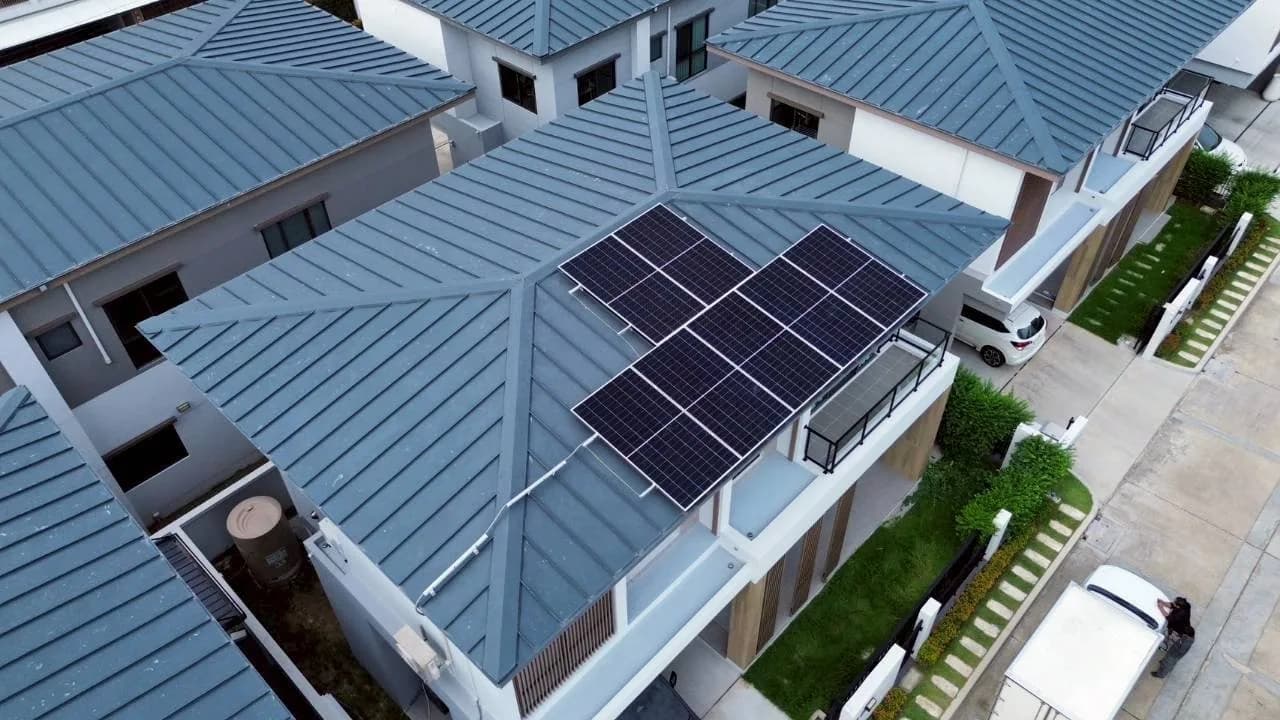
How high does your bill need to be before solar pays off?
The answer is not just the bill amount. What matters most is how much you consume during daylight.
Learn more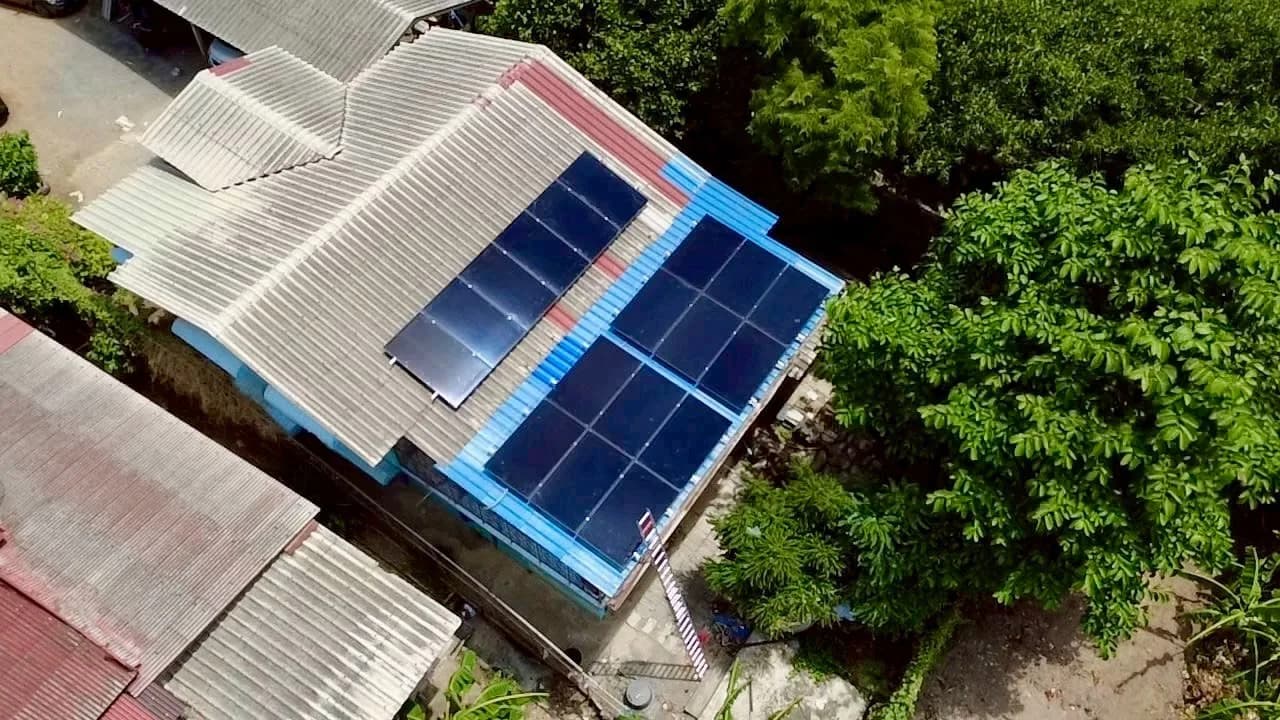
6 August 2026
Rooftop solar permitting in Thailand: who you need to file with
Paperwork is what usually delays a project. Knowing the sequence helps you plan the timeline.
Learn more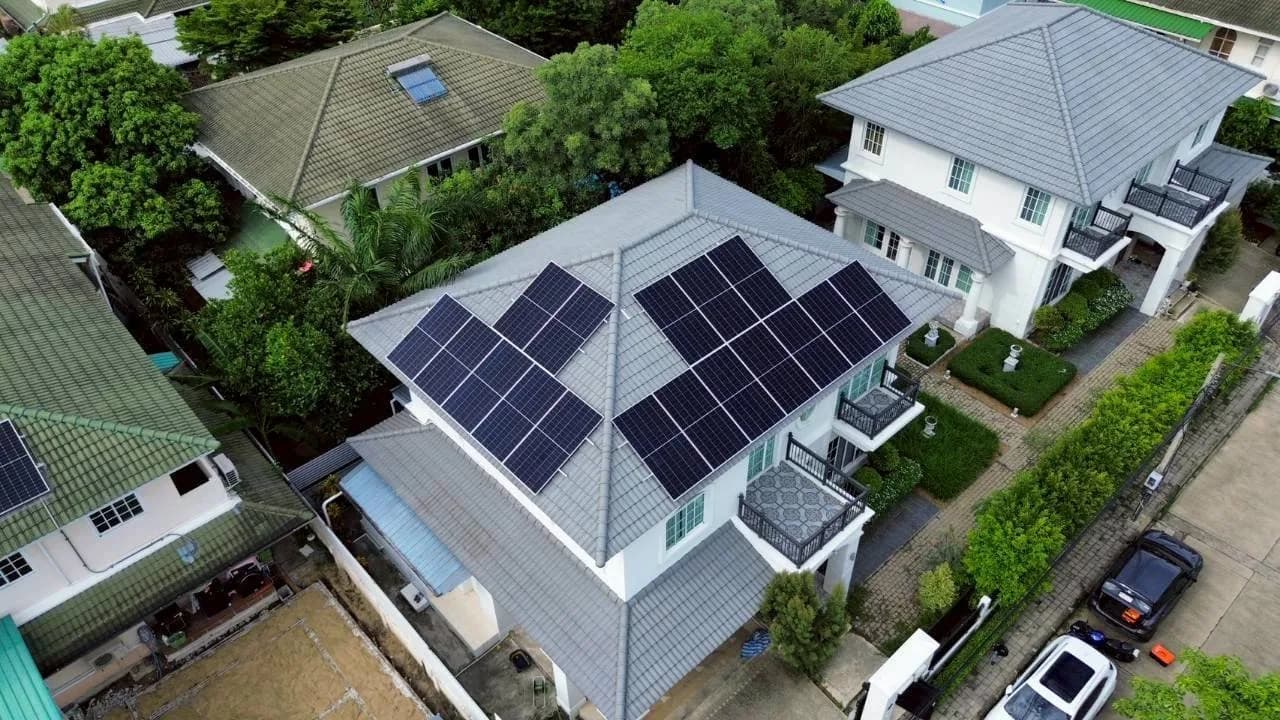
30 July 2026
Which roof types work for solar, and which need care
Almost every roof can take panels, but the fixing method and leak risk differ considerably.
Learn more